Published: 05.06.2026
How are artificial intelligence and automation shaping modern logistics?


AI algorithms play a crucial role in optimizing freight transportation routes, leading to cost reduction and improved delivery times. By analyzing vast amounts of data, we can use AI to find the most efficient routes based on real-time traffic conditions, weather, and other factors. This results in shorter transit times and significant cost savings for both carriers and shippers/importers.
Automation and AI allow a real-time tracking of shipments across the entire supply chain. With the help of IoT (Internet of Things), smart sensors and devices, freight carriers can monitor the location, temperature, humidity and other critical parameters of the cargo. This level of visibility helps minimize losses, avoid delays and increase customer trust and satisfaction.
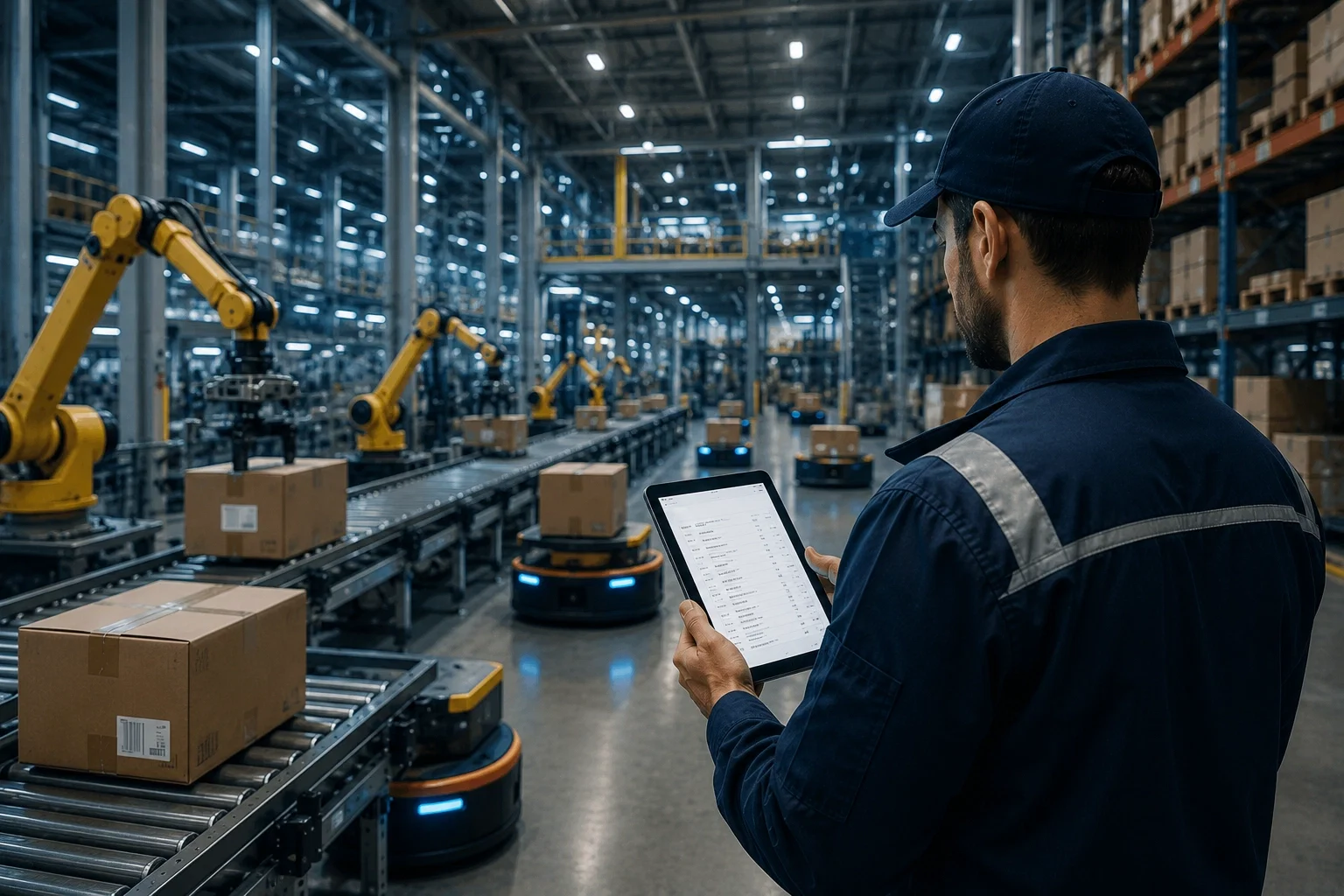
Automation technologies such as robotic systems for warehouses, autonomous vehicles and drones, as well as AI-based inventory management systems, optimize warehouse operations. These technologies efficiently perform tasks such as picking, packing and storing, which reduces manual labor and costs while increasing productivity. AI-algorithms can optimize inventory levels, leading to better space utilization and improved order fulfillment.
AI algorithms can analyze vast amounts of data, both historical and current, to identify and track trends, demand spikes, and predict potential risks in the supply chain. By identifying possible obstacles, such as weather conditions or port congestion, freight companies can take preventive measures to mitigate the impact on their operations, leading to better risk management and increased supply chain resilience.
The combination of AI with blockchain technology promises enhanced security and transparency in freight transportation. Blockchain can provide a secure, immutable ledger for tracking transactions, while AI can analyze this data to identify patterns and potential issues. This synergy improves the efficiency and security of the supply chain, as noted in an Accenture report.
Simple-to-integrate AI-powered chatbots and virtual assistants are increasingly being used to provide instant and efficient 24/7 customer support. They are utilized for tracking shipments, handling routine inquiries, and even offering personalized recommendations. Feedback from various channels is analyzed to derive actionable insights for continuous service quality improvement. This also allows human support operators to focus on more complex tasks, ultimately increasing efficiency and satisfaction in freight transportation.
Freight transportation involves a large number of documents, including customs declarations, invoices, and insurance certificates. AI-powered systems can extract relevant information from these documents, automate data entry, and eliminate manual errors. This significantly reduces administrative costs, increases accuracy, and speeds up document processing.
By leveraging AI algorithms and automation technologies, carriers can optimize routes, improve visibility, streamline warehouse operations, manage risks and automate document processing. Implementing these technologies is critical for freight carriers to stay competitive and embrace the future of delivery. However, despite the significant advantages, the adoption of AI and automation also faces certain challenges. These include high initial costs, data privacy issues, and the need for skilled personnel to manage and interpret AI systems. As AI develops and new automated solutions emerge, the role of these technologies in freight transportation will only grow. Forward-thinking carriers must actively implement these advancements and continually adapt to the evolving technological landscape to ensure their leadership in the industry.