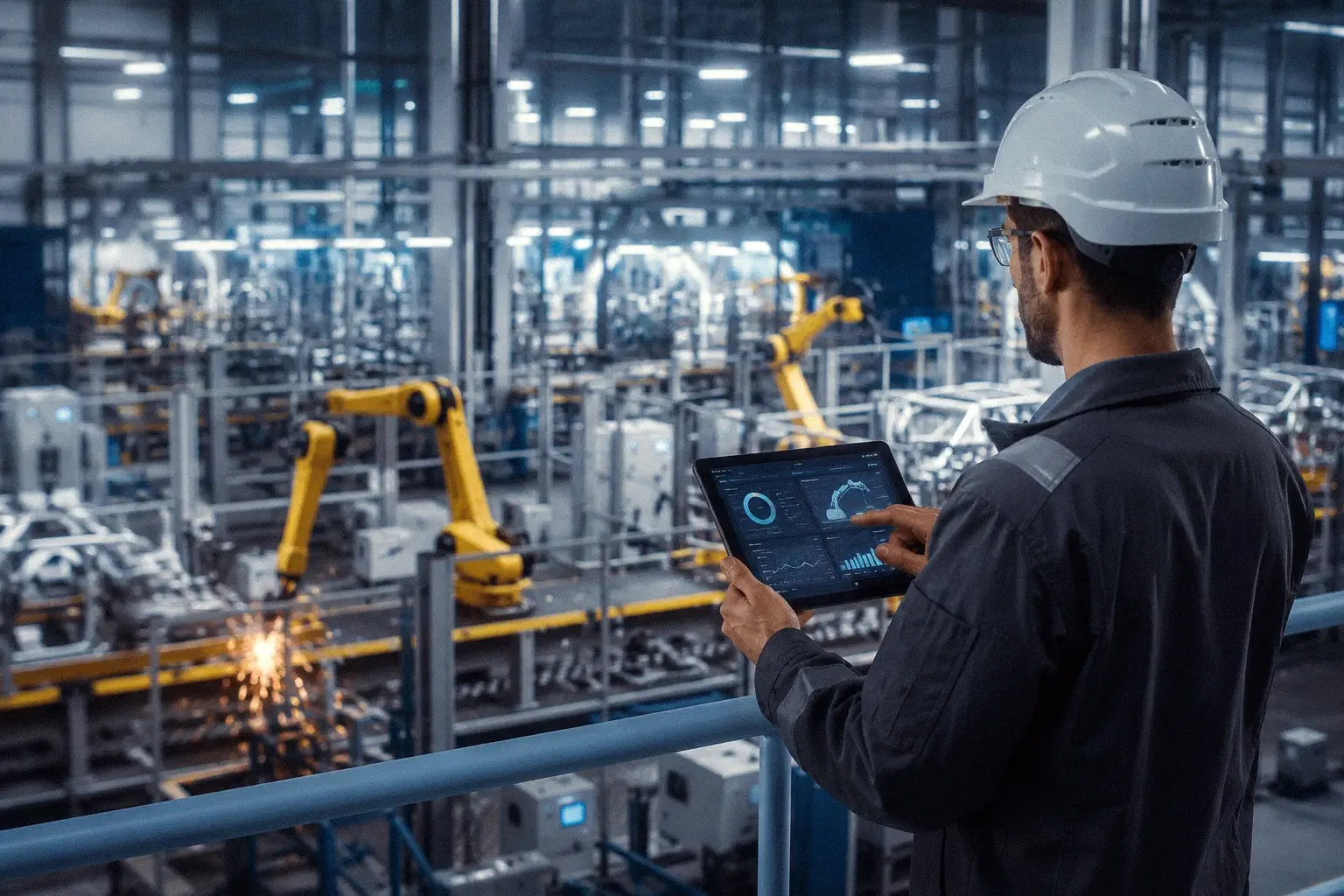
Generic ERP platforms are designed to cover the widest possible range of business types. That breadth comes at a cost: long implementation timelines, expensive configuration work and a system that still does not quite fit your operations. For businesses with specific workflows, industry requirements or operational models that standard ERPs handle poorly, a custom system is often the faster, cheaper and more usable path. We build ERP systems that cover exactly what your business needs, the modules, integrations and data structures that match your actual operations, without the overhead of what you do not.
Operations Running Across Too Many Disconnected Tools
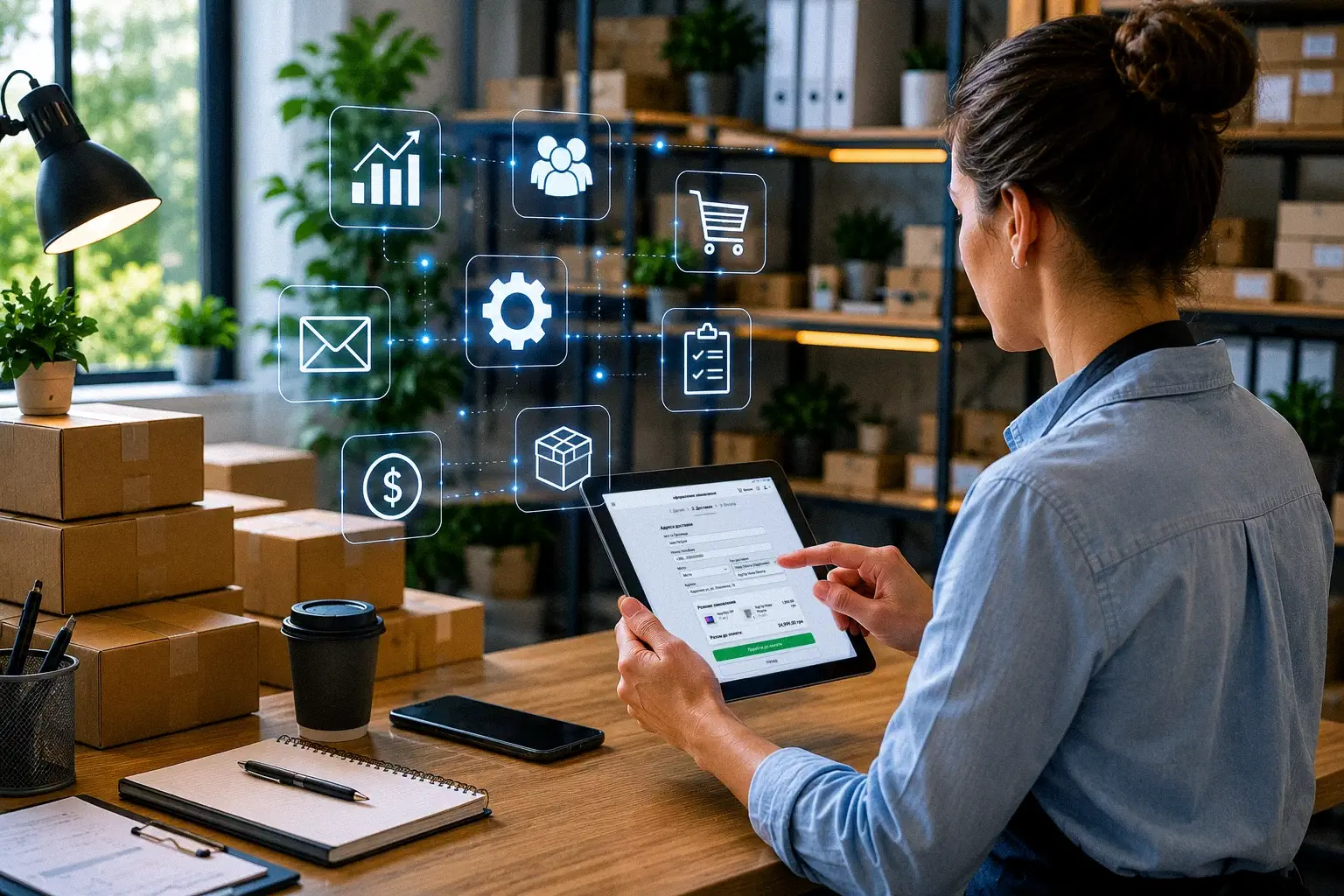
When inventory lives in one system, orders in another and finance in a third, the team bridges them with spreadsheets. A single connected system fixes that and removes the reconciliation work.
Generic ERP That Does Not Fit Your Industry
Industry-specific operations often require data models and workflows that standard ERP platforms handle with workarounds at best. Custom development starts from your actual requirements.
Expensive Licensing for Features You Do Not Use
Many businesses pay for full ERP platform licenses while using 20% of the features. A custom system covers exactly what you need without the overhead.
Integrations That Do Not Work Reliably
Off-the-shelf ERP integrations are often brittle and poorly maintained. We build integration properly from the start so data flows reliably between systems.
Requirements and Architecture
We document your operational requirements, design the system architecture and plan the data model before development begins. This phase is where most ERP projects succeed or fail.
Module Development and Data Migration
We build the ERP in stages, starting with core operational modules and adding reporting, integrations and secondary functionality. Migration from your existing systems is included.
Curious which RPA solution fits your business needs?
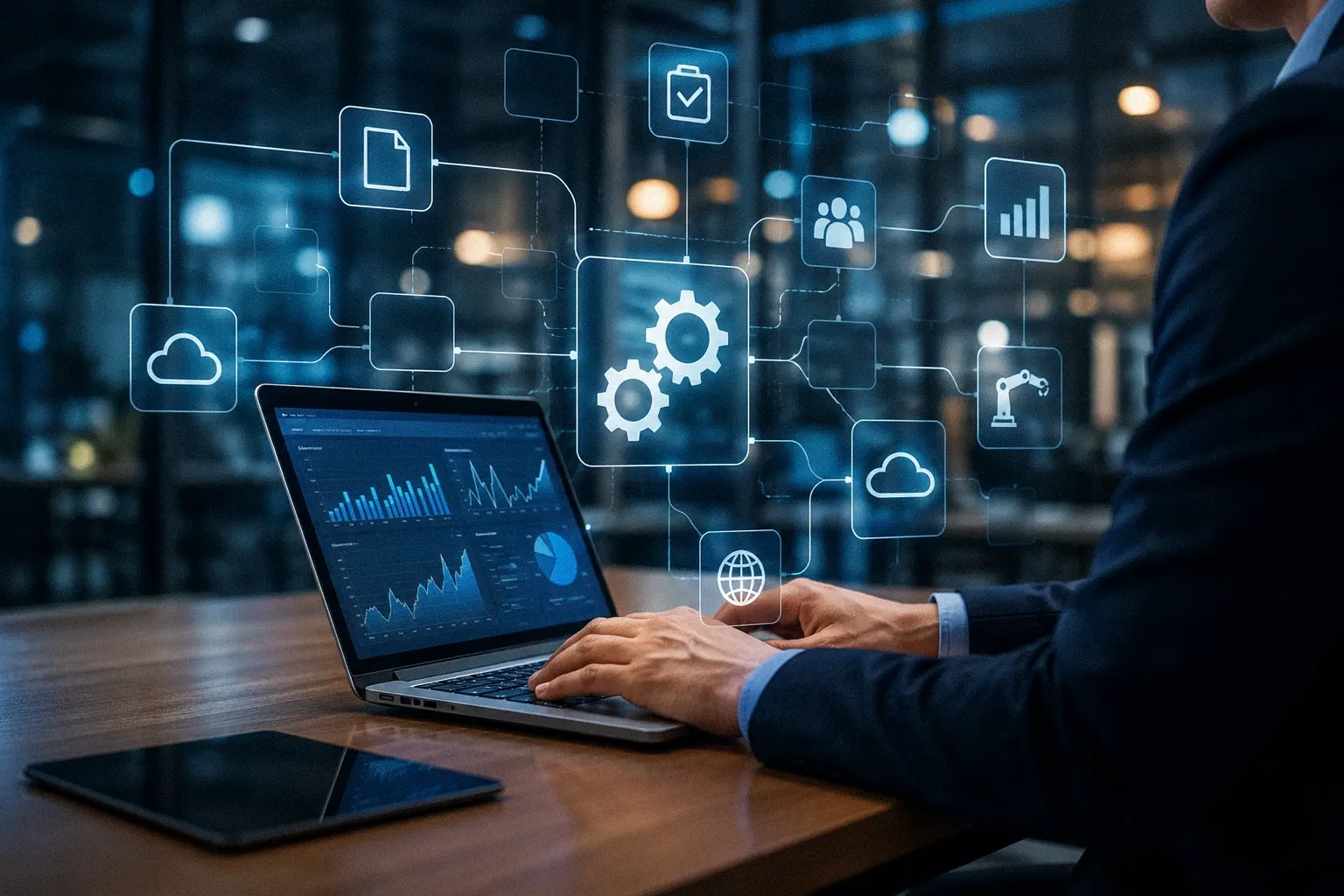
Finance, operations, inventory, orders and HR data in a single connected system means your team works from the same numbers and handoffs do not require manual data transfer.
A system your team will actually use
ERP systems built around your real workflows have significantly better adoption than generic platforms that require users to adapt to the software rather than the other way around.
Long-term control over your operational data
A custom ERP means your operational data lives in a system you own. No vendor lock-in, no forced migrations and no pricing changes affecting your core business operations.
They are truly experienced specialists who work in a well-coordinated way.
Sidis Group has delivered around 15 well-tested features, saving the client approximately 100 man-hours. The team has a well-structured process and communicates effectively. They're also professional, experienced, and organized. Overall, the client is very satisfied with Sidis Group's work.
Nikolay Popov
Head, AdKey.app
There have never been any critical issues with timing or estimation.
Sidis Group has launched the client's MVP within the agreed timeline and budget. The team has deployed the platform into production with live users and improved operational efficiency due to optimized business processes. Moreover, Sidis Group has integrated key third-party providers.
Denis Gulagin
CEO & Founder, Bakksy
Their genuine interest in the project was most impressive.
Sidis Group's completed the project quickly and on time. The team responded promptly to requests and handled all adjustments efficiently throughout the project. Moreover, they were highly engaged, proactive in suggesting improvements, and committed to achieving optimal results.
Dmytro Kaminskyi
IT Support Engineer for E-Commerce & Amazon, I'm a Natural
GET IN TOUCH
Fill out our contact form for a free consultation, or book an online meeting directly via Calendly.
We discuss your project even if you have just a raw idea.
We choose a model and approach that are suitable for your case and budget.
Questions & answers
When does custom ERP development make sense over an off-the-shelf platform?
When your operations are specific enough that generic platforms require significant workarounds, when integration requirements exceed what the platform handles well, or when your team is running operations across too many disconnected tools that cannot be practically unified otherwise.
How long does ERP development take?
A core ERP covering your primary operational modules typically takes four to eight months. More complex systems with multiple business units, external portals or high-volume transaction processing take longer.
How do you handle data migration from our current tools?
Data migration planning starts early. We map the data from your existing systems, clean it where needed and migrate it as part of the deployment rather than as an afterthought.
Can you build on top of an existing system?
Sometimes. If you have a working database or operational tool that partially meets your needs, we assess whether extending it is more efficient than a fresh build before recommending a direction.
What does post-launch support look like?
We offer ongoing support, monitoring and development. ERP systems need to evolve as the business changes, and we build them to be maintainable and extensible from the start.